

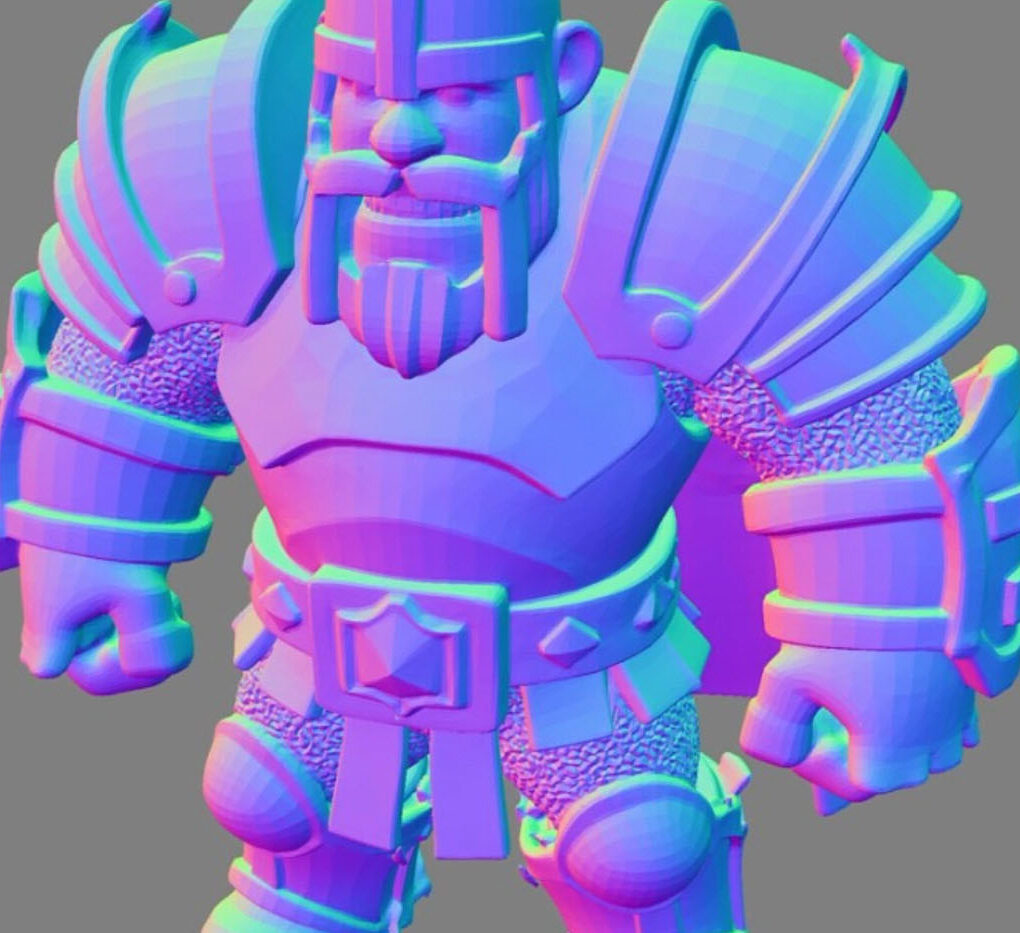
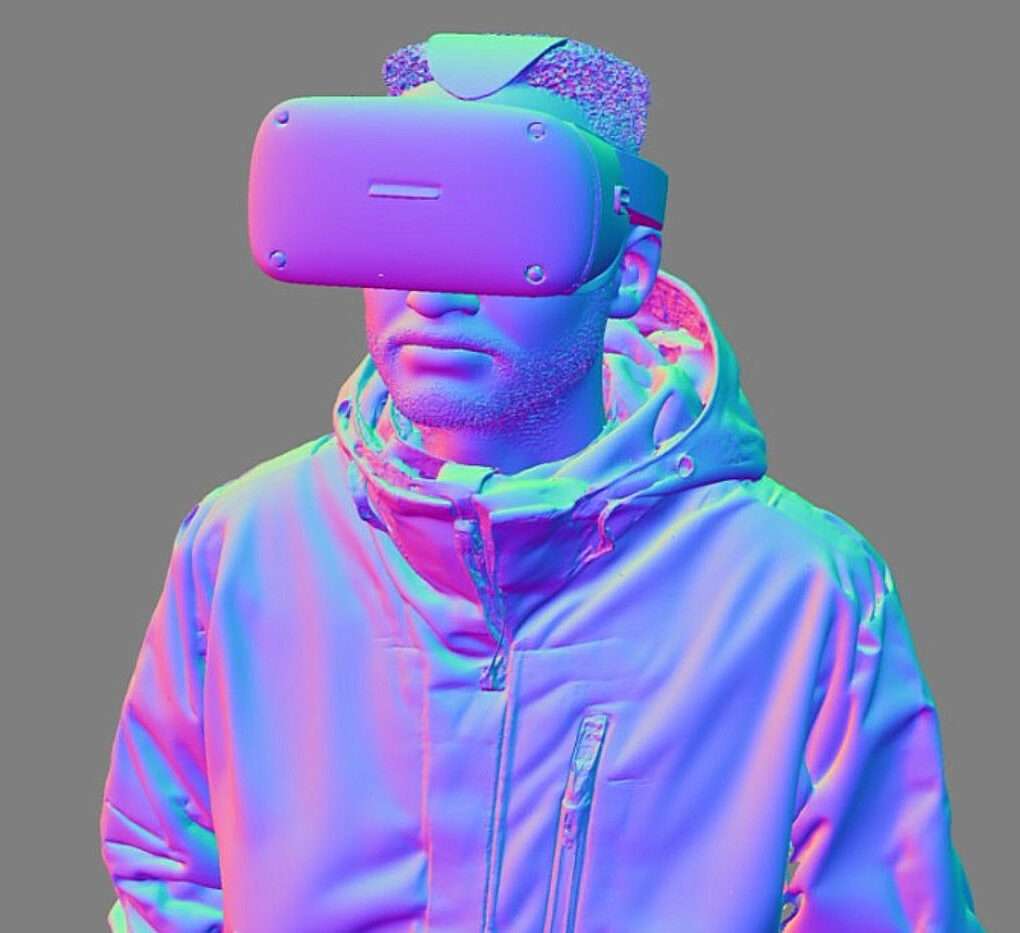
Features
Our Image to 3D tool turns images into detailed 3D models. It handles complex shapes, preserves sharp edges, and includes complete material properties like texture, reflectivity, and surface finish. Built on a powerful generative system that creates production-ready 3D assets from flat images.
Hardware: An NVIDIA RTX GPU with at least 24GB of memory is necessary. We run it on our AI servers with Nvidia RTX 5090 with 32GB (optimal)
Software: This web app runs a frontend on a local port via a browser dashboard, (also available as a Image to 3D WP Plugin) with a backend server operating on the same machine.
Drop us a email if you are interested to implement this for your organisation. We will setup everything for you.
Where it fits
Most 3D pipelines start with a modeller and a brief. That is the right approach for a hero asset and far too slow for everything else. Teams that need a usable model of a product, a prop or a piece of furniture within the hour are almost always blocked at the first step rather than the last, and generating a base mesh from photographs you already own moves that bottleneck out of the way.
What it is good for
Product visualisation, AR previews, e-commerce configurators, previsualisation for video, and quick prototypes where the model only has to be close enough to test a decision. Retail and interiors teams use it to place real stock into a scene before committing to a photo shoot, which is usually the expensive part of the process.
Where it is not the answer
Anything that will be inspected closely, rigged and animated, or manufactured to tolerance still needs a modeller. What comes out is a starting point that saves a day, not a replacement for one, and we will tell you which category your work falls into before you commit to anything.
Image to 3D is included on the private AI server you rent or buy from us and forms part of the self-hosted AI stack we deploy for Singapore organisations. Teams generating the source images first usually run SecondBrain alongside it.